Showing posts with label Microsoft. Show all posts

Monday, 17 April 2023

Some basic network troubleshooting commands

Below are some every day, useful commands to use when troubleshooting your own device and network issues

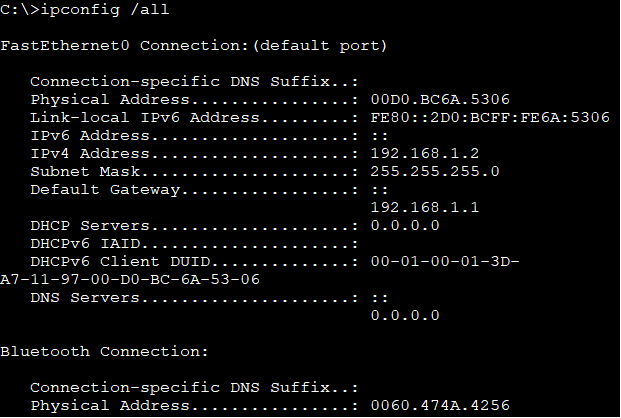
ipconfig /all

This command shows the current TCP/IP configurations for all adapters. This can be both logical and physical addresses. Below is a simple screenshot with the results. Notice the default gateway is shown, this is the router address on the same network as the device. Without the default gateway being configured we will not be able to communicate remotely or with other networks. 


show ip interface brief

This is a router command it shows all IPv4 interface configurations and their current status


ping

Ping verifies IP connectivity to another networked device by sending Internet Control Message Protocol (ICMP) echo Request messages. When a successful ping happens you get the below pieces of information. In the example 127.0.0.1 is a loopback address to check if the local PC's TCP/IP address is configured correctly. If an IP address is not available you will get a timed out message.


tracert

Trace route will diagnose the path taken to a destination. Again ICMP is used, and echo requests are feedback when a different network is identified. This is used to pinpoint where network failures occur


These are just some small examples of commands that can be used at a fundamental level. Microsoft have published a detailed list of commands here


Monday, 13 March 2023

Hyper - V - Virtualisation

What is Hyper - V?

Hyper - V is a virtualization technology. This allows you to run multiple operating system instances at any one time. You can run Linux, Microsoft, Server and desktop operating systems all together. This is a great solution for testing software on multiple platforms or just playing around with a different OS. 

Hyper V is specifically a hardware virtualisation technology. This means whatever you assign to your VMs you take that hardware away from your host. For example if your laptop or PC has 500GB of storage and 8GB Ram, you may want to tactically decide how you allocate the hardware to the VM. If you give the VM too much RAM for example it will severely impact the performance of the host. And the same with storage, VMs are usually assigned low storage, just enough for the Operating system and a few software installs (dependent on your requirements). If you have have spec tech, you can run many VMs much like a datacentre.

Enabling Hyper V in Windows 11

To enable hyper v;
1. Type Windows features into the start bar
2. Check both, Hyper V management tools and Hyper V platform
3. Restart your PC, it will install Hyper V much like a Windows update


Begin your lab journey....

Once you have Hyper V installed, embark on your lab journey. Below is a playlist for  creating a replica of a domain management structure, I will keep adding to it over time...

Playlist


Thursday, 16 February 2023

Using Group Policy to deploy wallpaper to domain machines

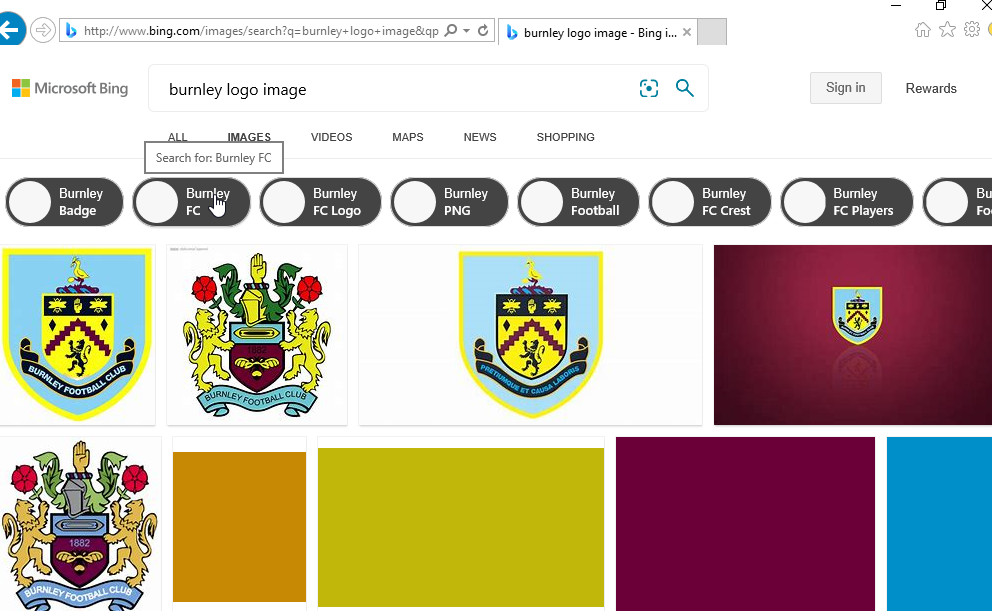
On the server open up internet explorer, go to the website bing.com ( google may run slow ) . Search for an image of your choice


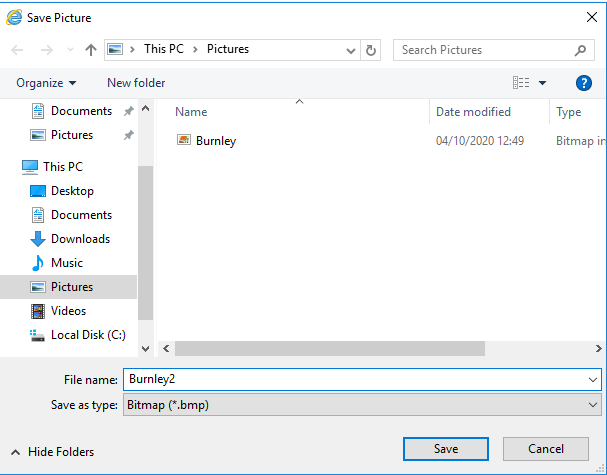
Right click on the image - and save it to the Pictures folder on the server as a bmp file 


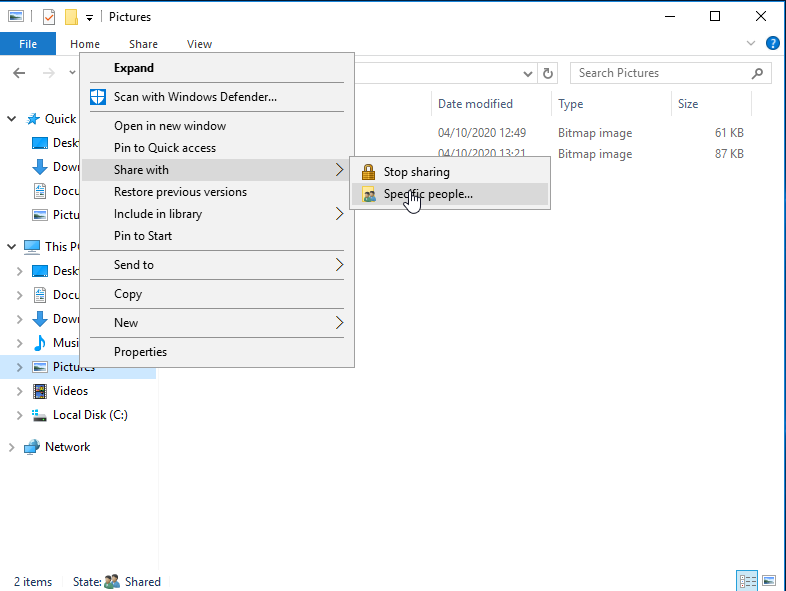
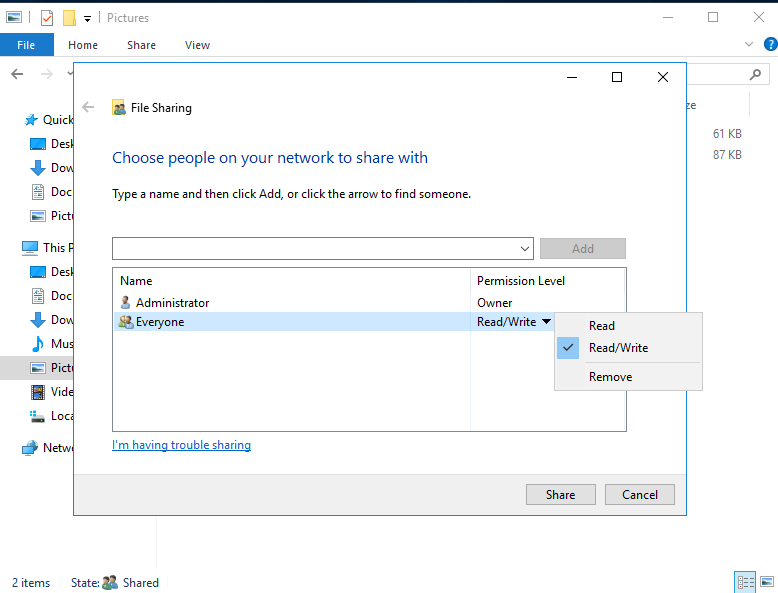
Right click on the pictures folder and click share with specific people


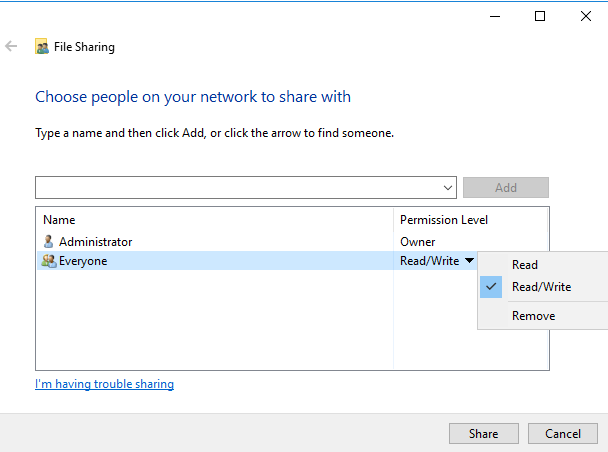
Ensure everyone is added if not click the drop down box and add tick read/write and click share


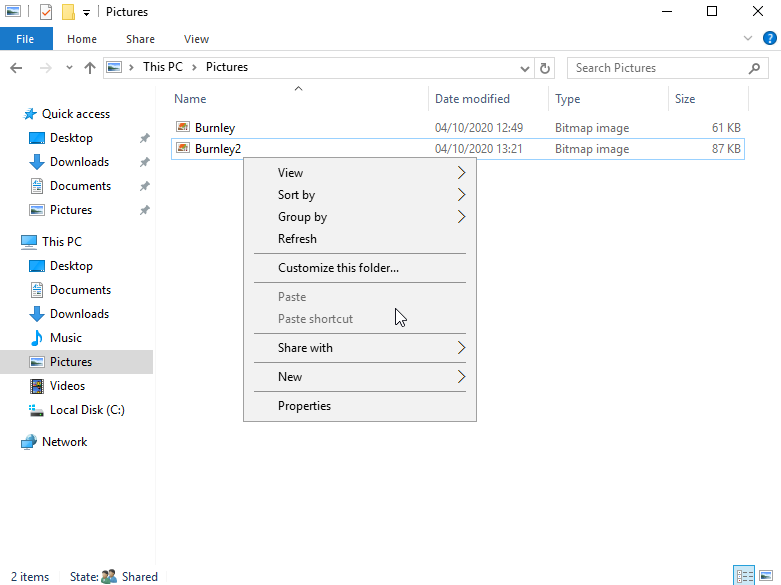
Do the same for the file you want to use for example here I have right clicked on burnley2 and clicked share with specific people


Ensure Everyone + Read/write is selected and click share


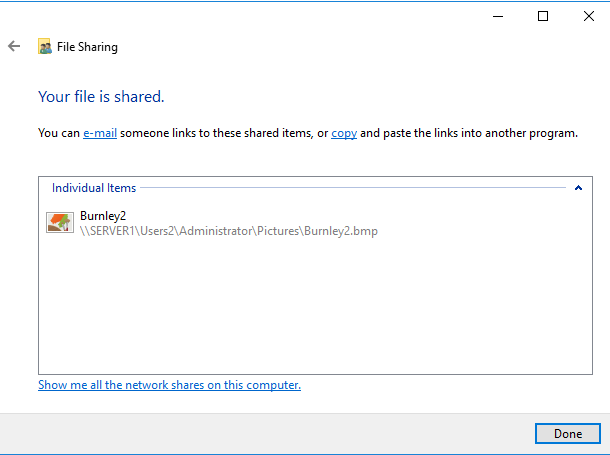
You should see the below screen with the file name location listed. Mine is 


\\SERVER1\Users2\Administrator\Pictures\Burnley2.bmp


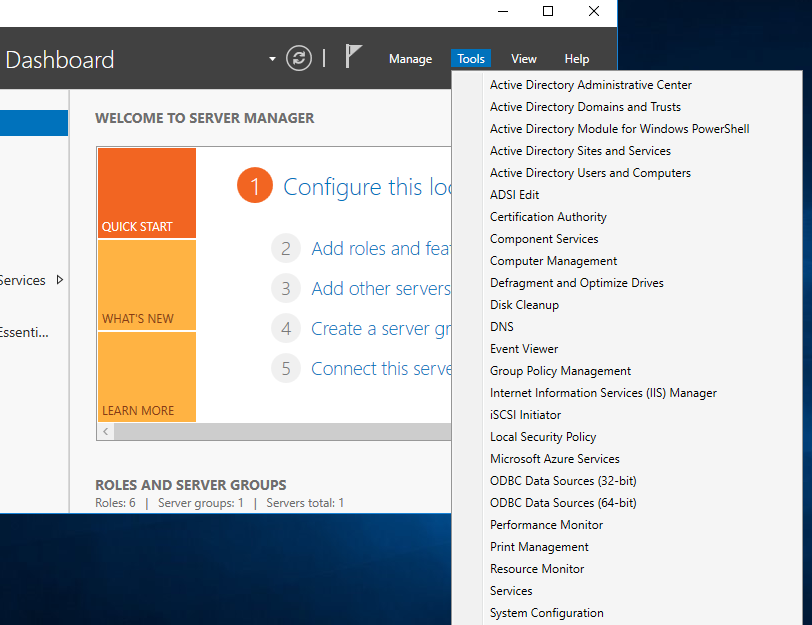
On server manager, click tools then Group policy management 


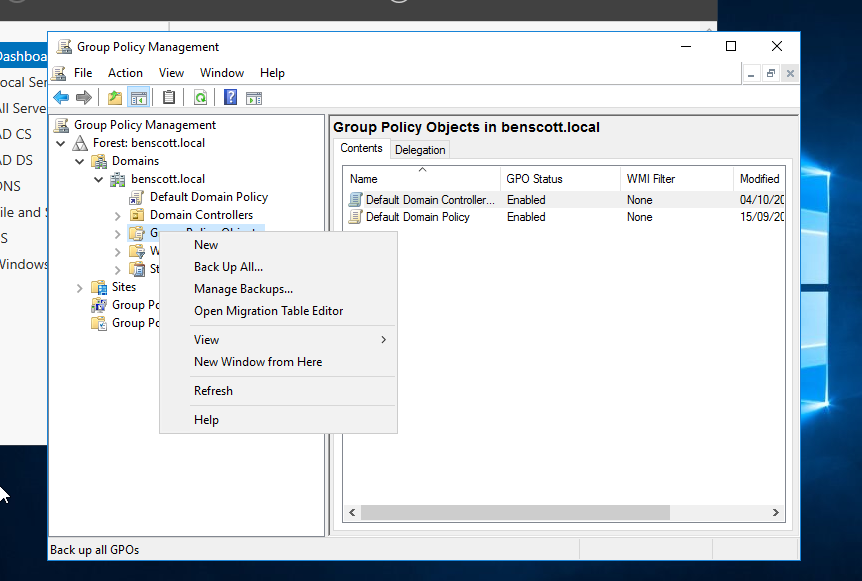
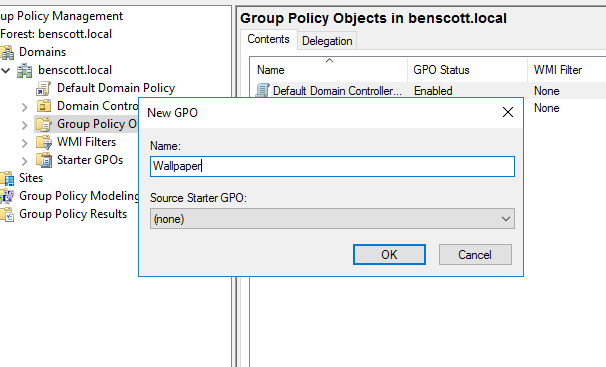
Right click Group Policy Objects - Click New 


Type Wallpaper then click ok


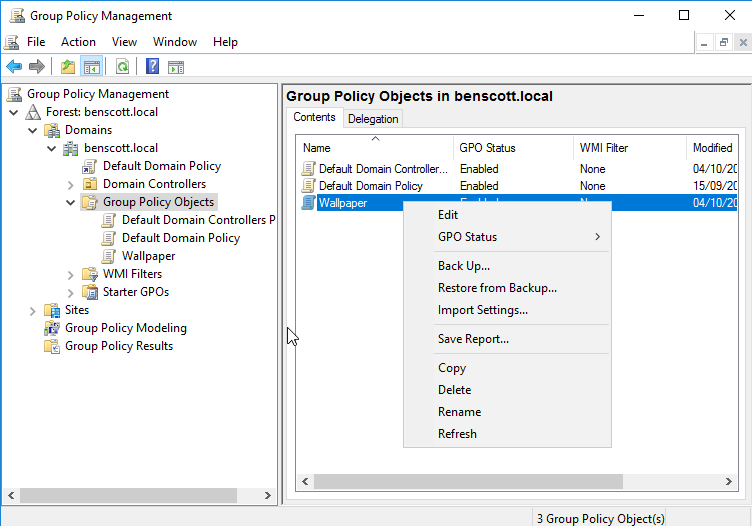
Now right click Wallpaper in the Group Policy Objects folder and click edit


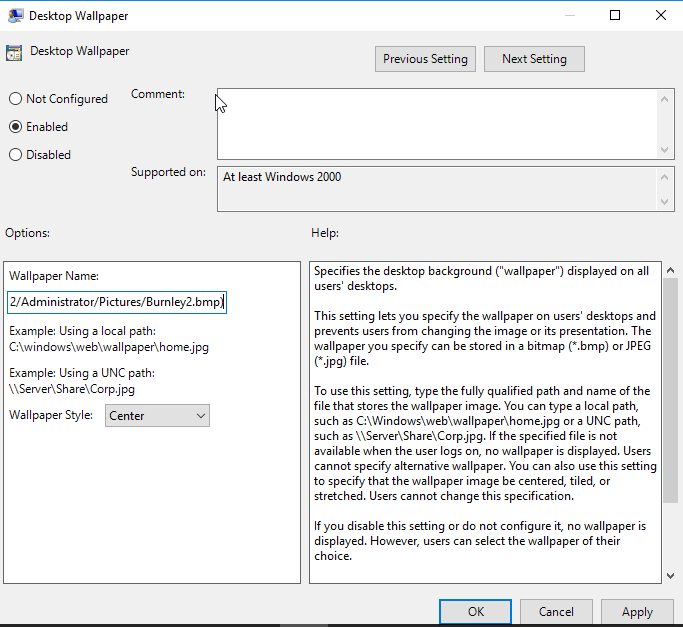
Expand user configuration -> policies -> administrative templates then click desktop and on the right hand side click desktop wallpaper


Click enabled - type the full file path into the Wallpaper name , and select style as center or fill ( however you want the logo to appear. Click apply 


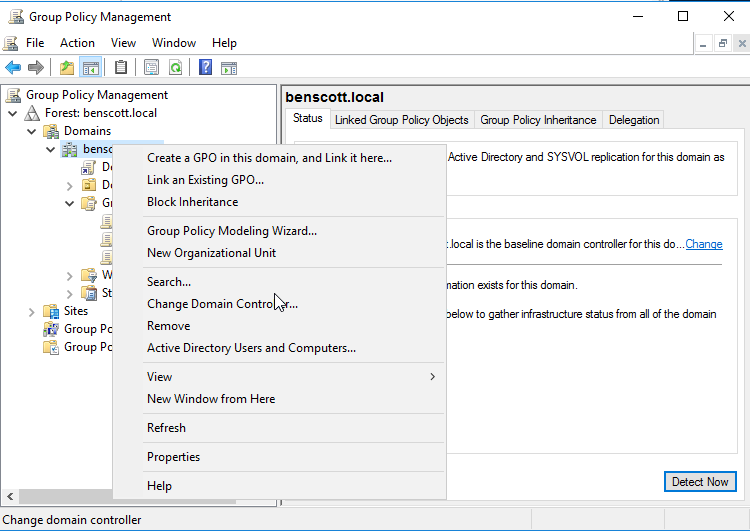
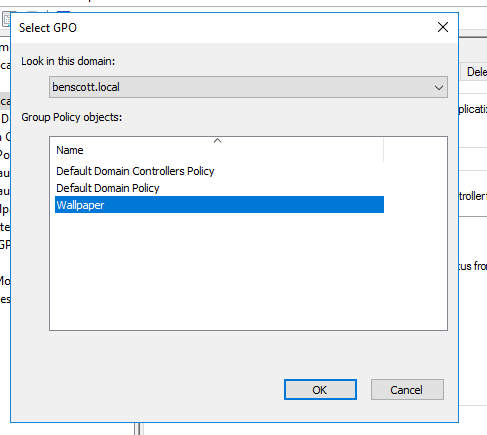
Go back to the group policy management console and right click your domain name - click Link an existing GPO


Select wallpaper


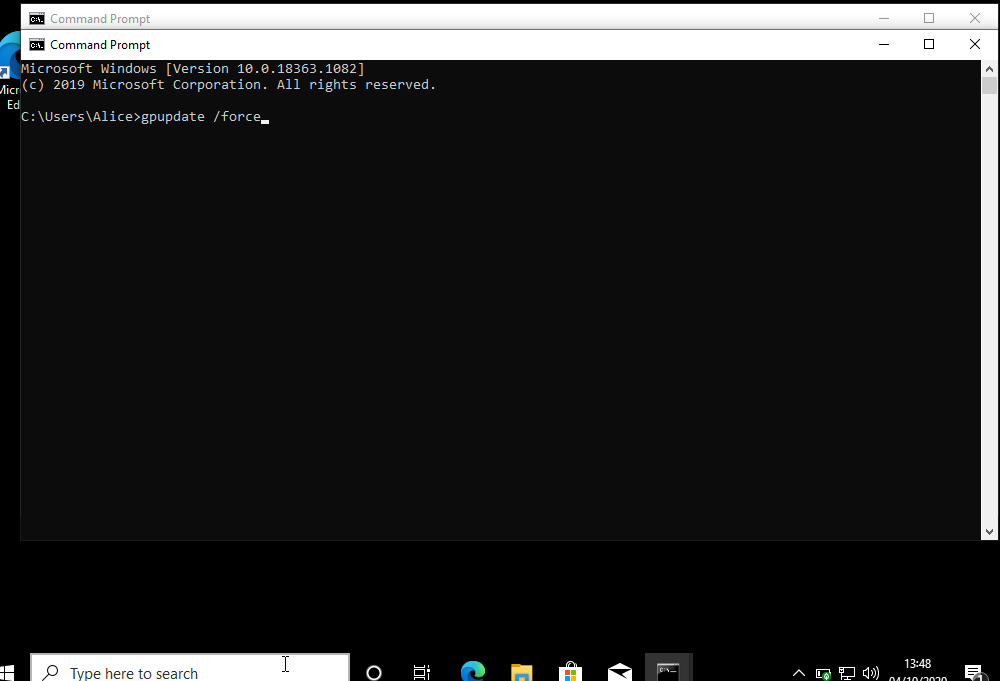
On the Windows 10 machine open cmd prompt 


Type gpupdate /force 


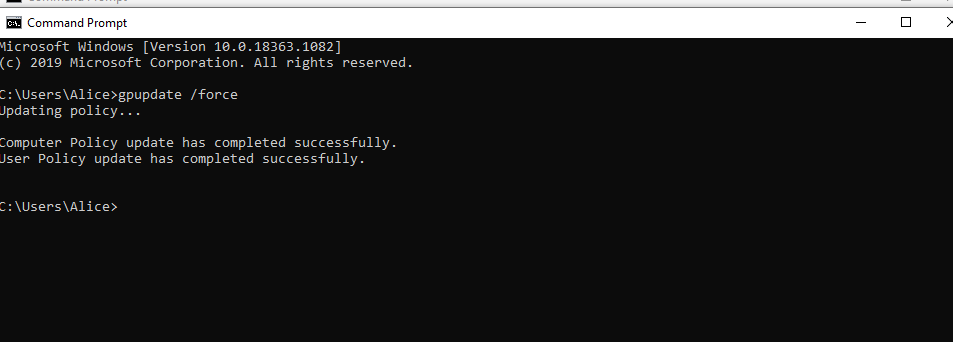
You should see the below message that is has been successfully update. Close the command prompt window and restart the windows 10 machine


Login with a user and you should see your logo if you have been successful :) 


Connect a Windows 10 machine to a domain


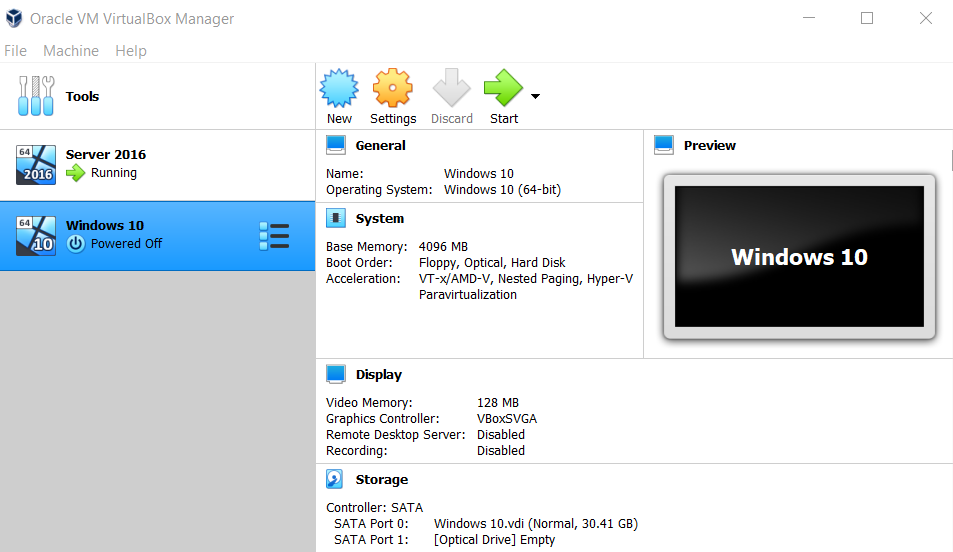
Select the Windows 10 machine and click start


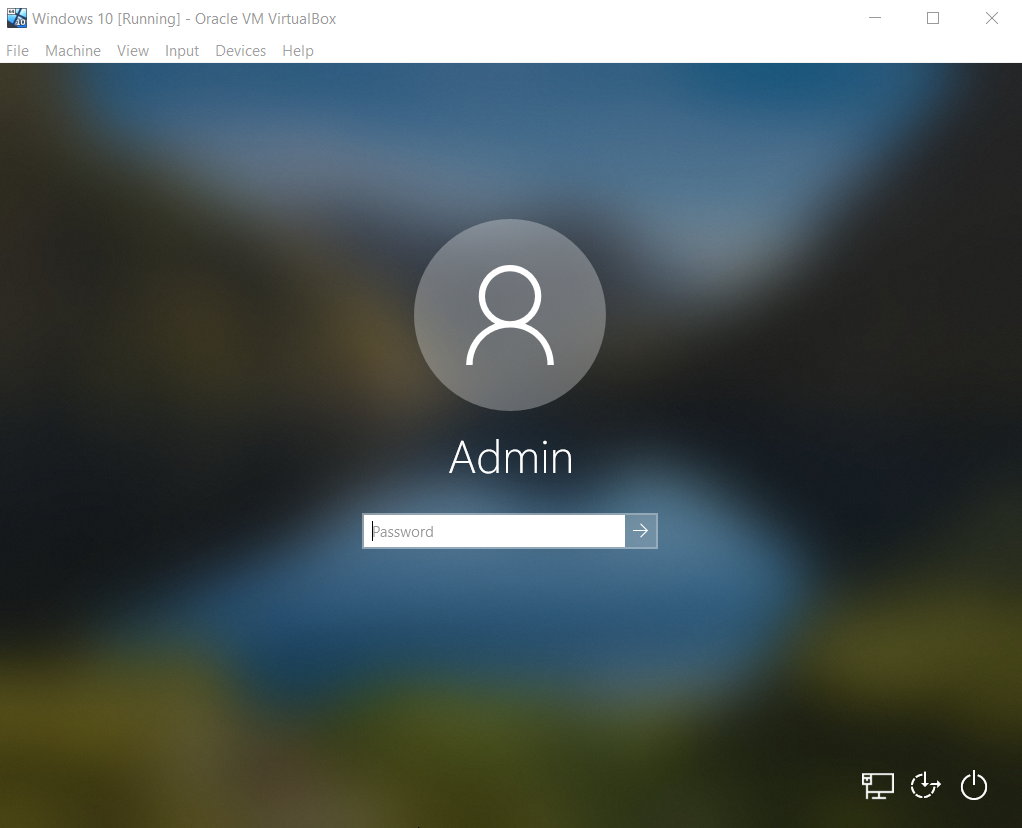
Enter your password at the login screen


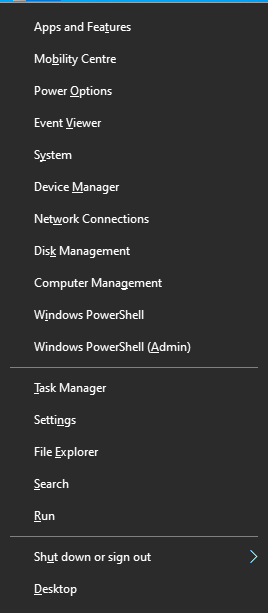
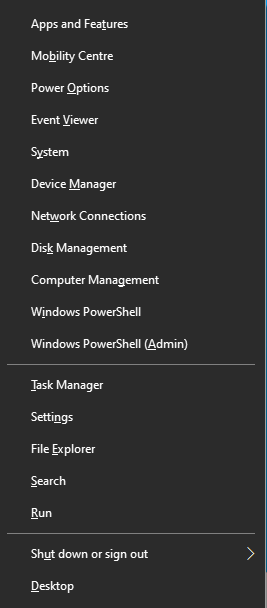
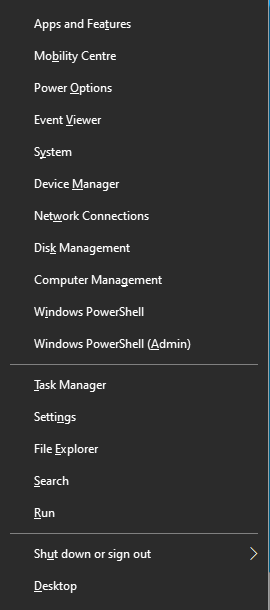
Press the Windows + X key and select system


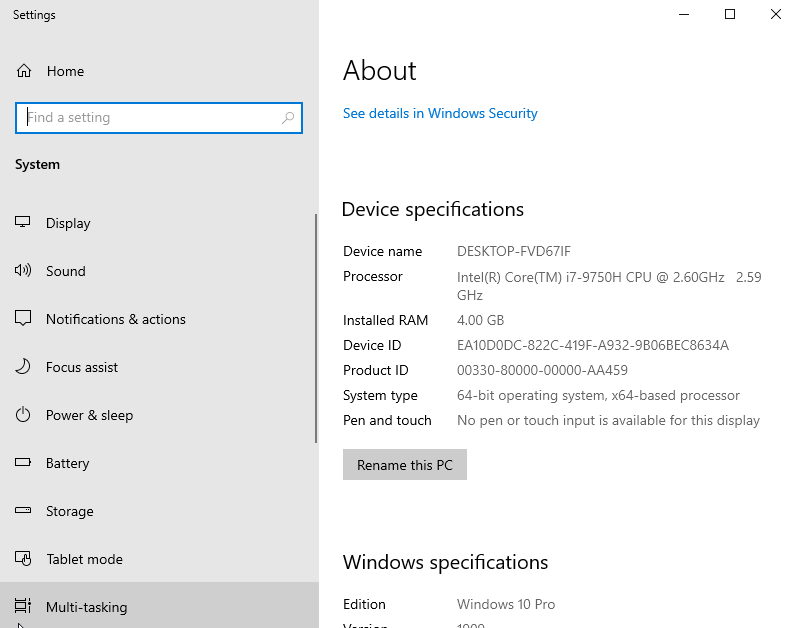
Select rename this PC


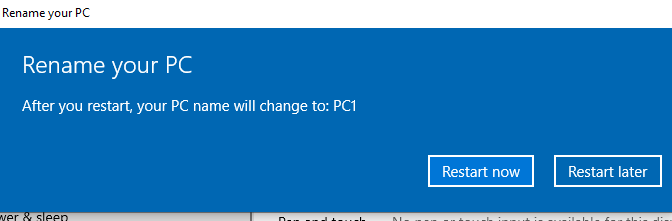
Change the name to PC1


Click restart now


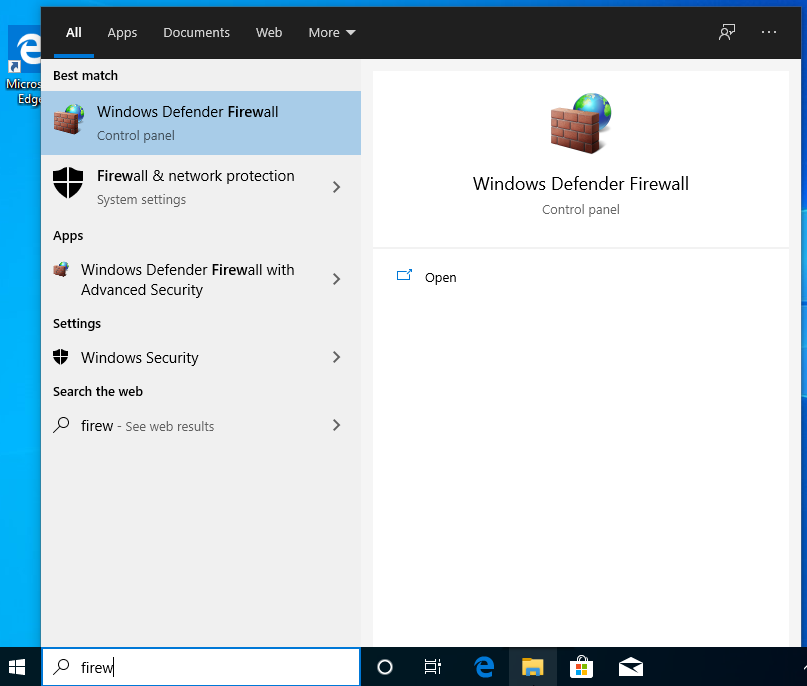
Press the windows + s key and type firewall and select the Windows defender firewall


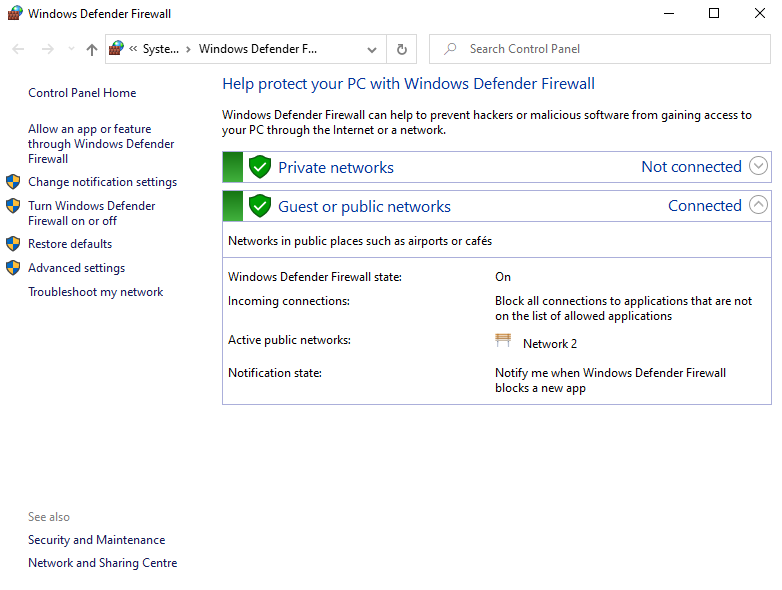
Select turn windows defender on or off


Turn off both private and public settings


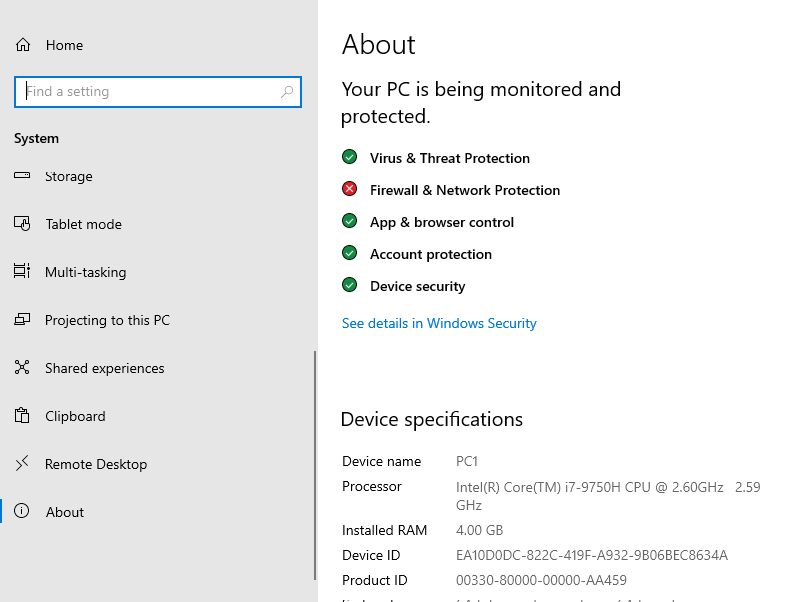
Press the Windows + X key and select system


Select Remote Desktop


Turn Remote Desktop On 


Click confirm


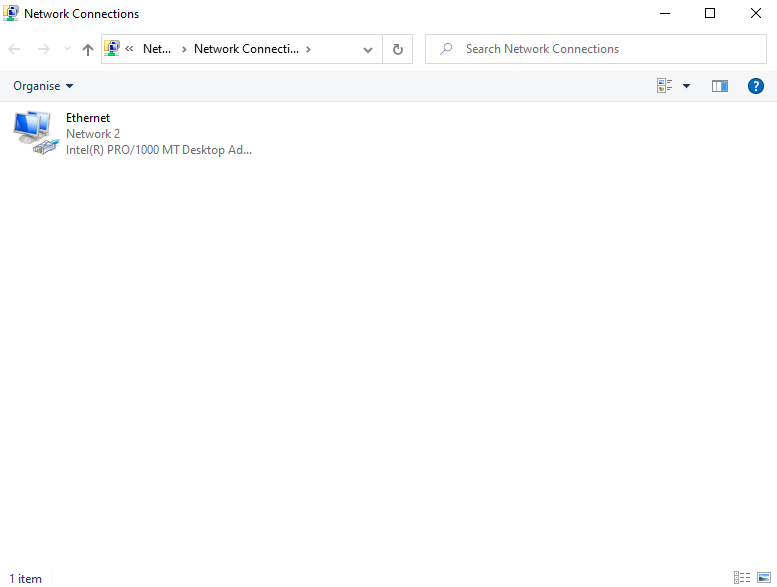
Press the Windows + X key and select network connections 


Click Change adapter options


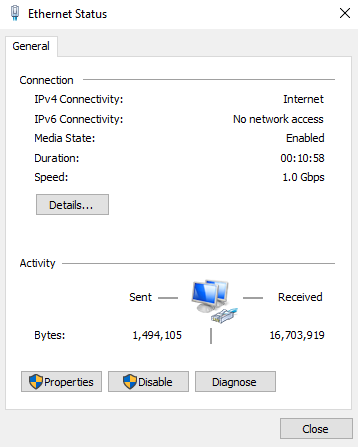
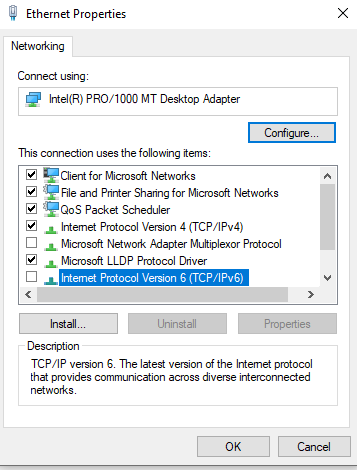
Double click on the ethernet icon


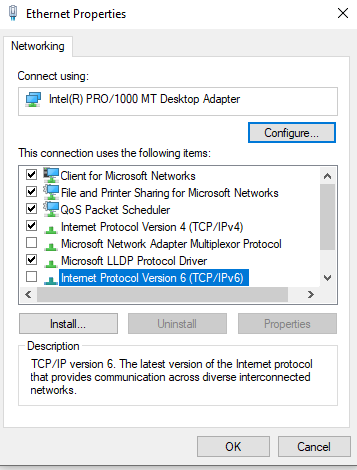
Click properties


Uncheck IPv6 


Double click on Ipv4


Enter the IP address of your server from previous instructions below is my server's address . click ok 


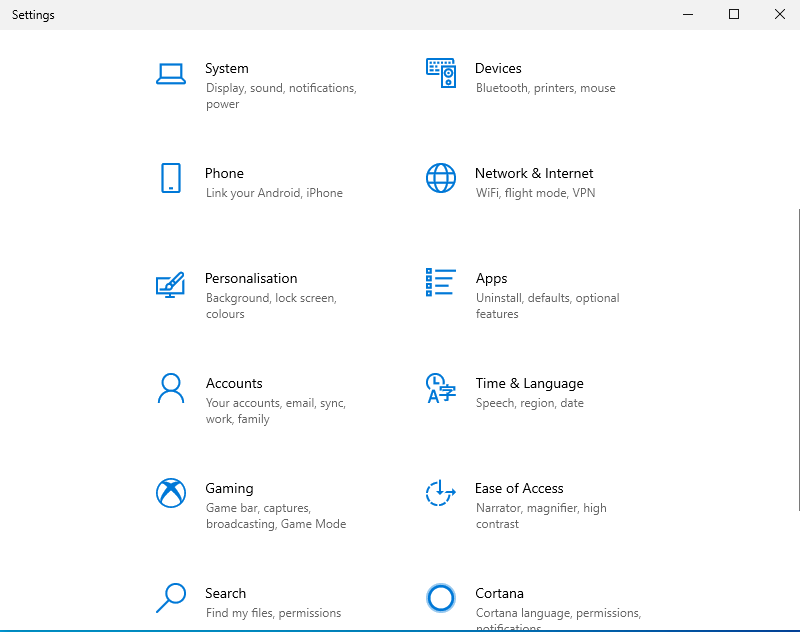
Press the Windows + X key and select settings 


Select accounts


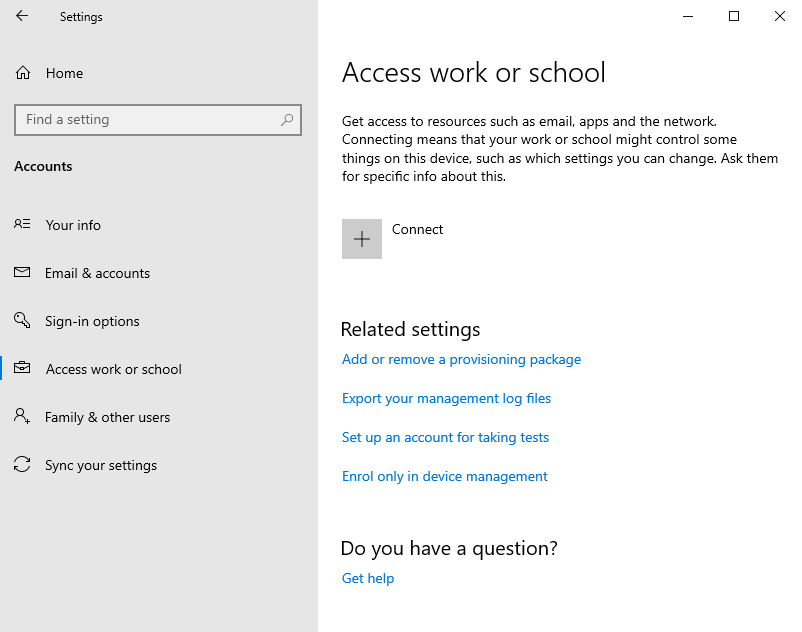
Select access work or school 


Select connect 


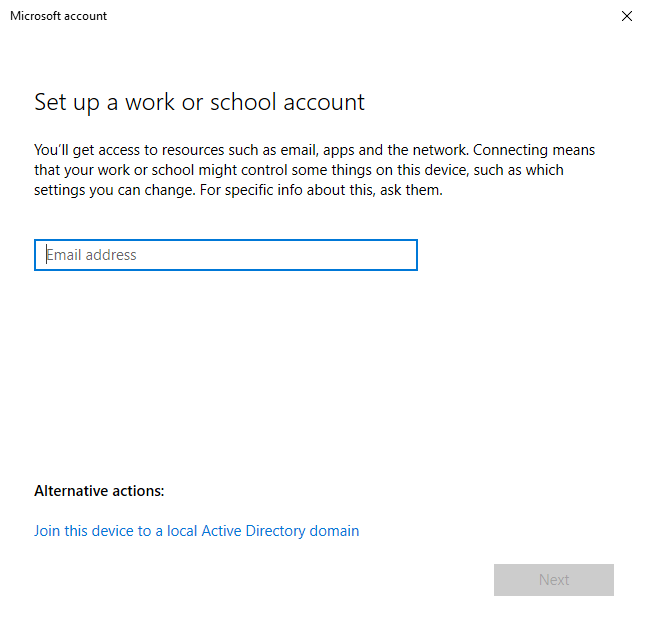
Select join this device to a local Active Directory domain 


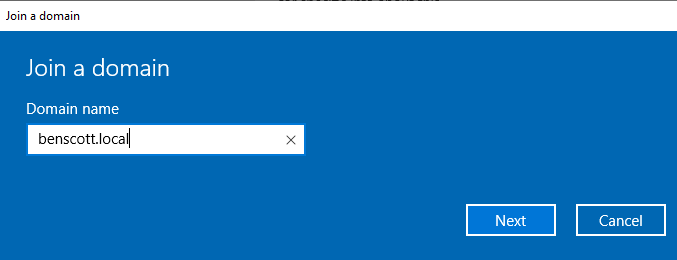
Type your domain name


Type .\ ( then the username for which you made an administrator and the password )


Skip the below step and restart the PC


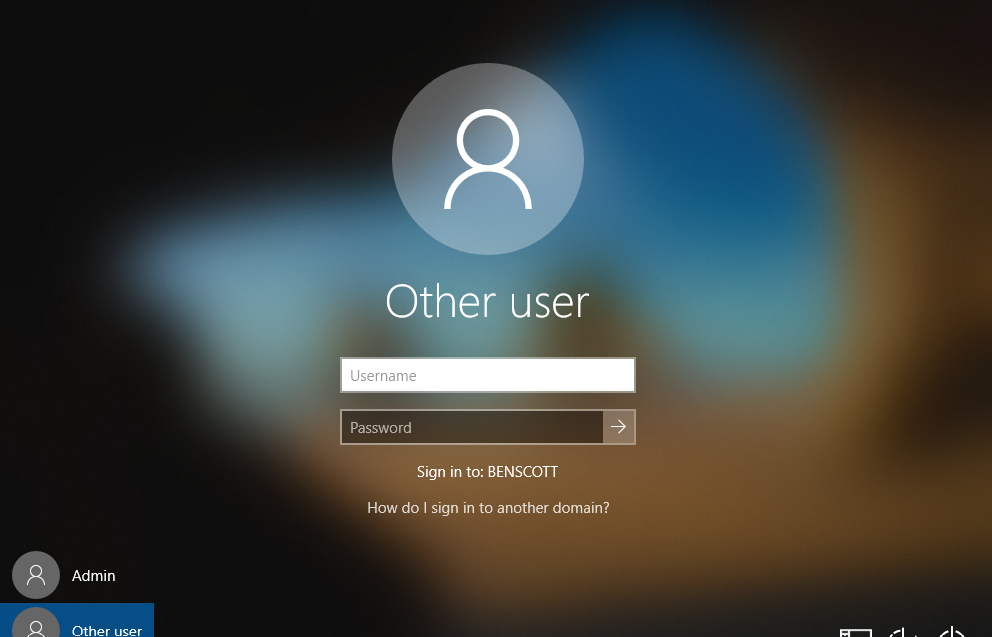
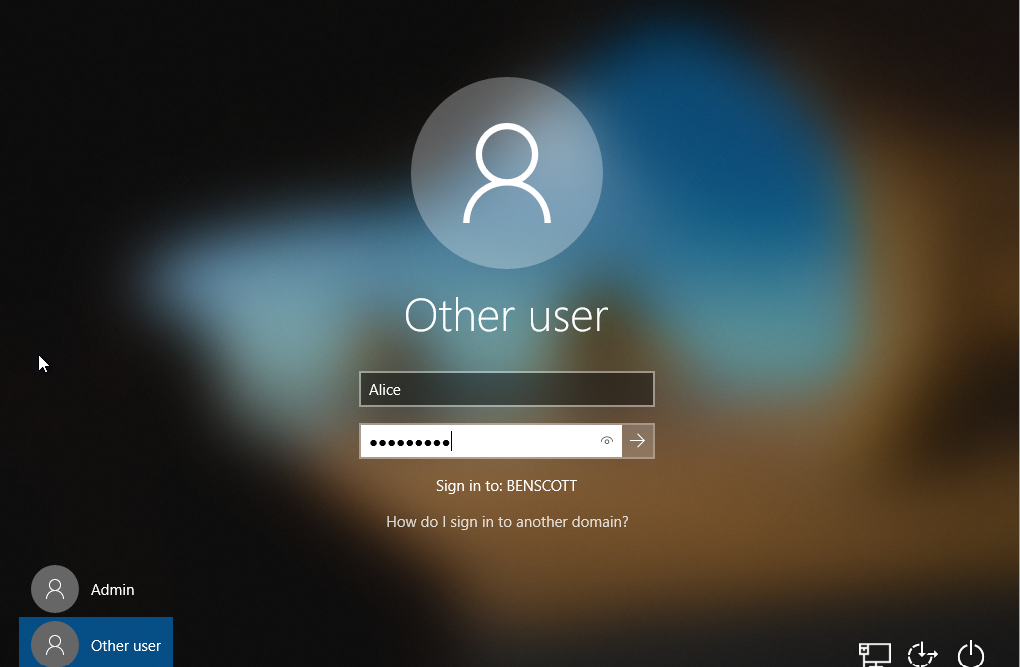
When the computer restarts you should see your domain name at the Sign in 


Type the user logins and press enter


New user has joined 👏


Close tabs down and shutdown the Windows 10 machine.

Fast switching vs Process switching

Process Switching: Process switching is the traditional method of packet forwarding used in early routers. When a packet arrives at a router...